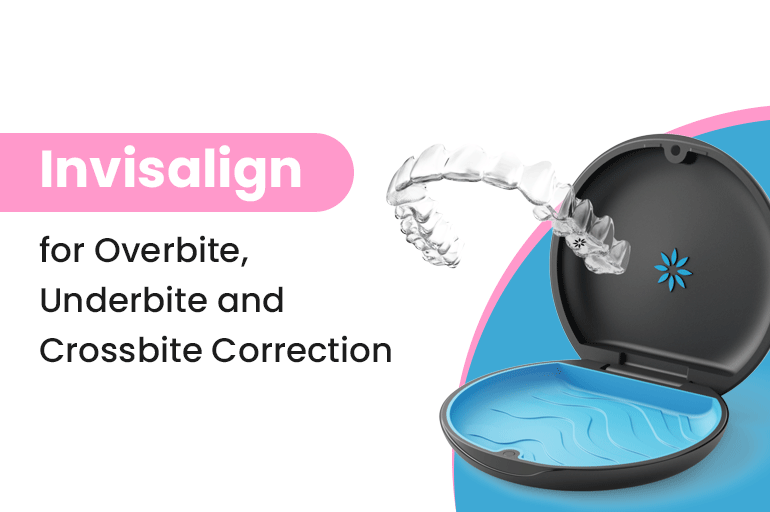
Jaw pain while chewing isn’t just annoying but a sign of bite issues like overbite, underbite, or crossbite. These problems go beyond appearance, affecting how your teeth function, causing strain on your jaw, and making daily activities like eating uncomfortable.
If you leave these issues untreated, they can get harder to manage with time. You may notice uneven tooth wear, pressure on certain teeth or tenderness in the jaw joint. This is where Invisalign becomes a useful modern option for many patients with mild to moderate bite problems.
At 32 Pearls Dental Clinic and Implant Centre in Raipur, our focus stays on proper diagnosis before treatment even starts. Led by an MDS specialist with 10+ years of experience, our Raipur clinic prioritizes precise diagnosis. Having treated 24,000+ patients, we use Shining 3D intraoral scans and microscope-assisted evaluations to ensure your overbite or underbite correction is powered by a 5.0-star rated, custom-engineered digital plan.
Created by one of our experts, this guide helps you understand your bite and how clear aligners can make a difference.
Understanding the 3 Most Common Bite Problems
Overbite, underbite and crossbite are three most common bite problems, but each one affects the teeth and jaw in a different way.
-
What Is an Overbite?
An overbite means the upper front teeth overlap the lower front teeth more than they should. A mild overbite is common, but a deeper one can start causing trouble.
You may notice that the top front teeth cover too much of the lower teeth when you close your mouth. In some people, the lower teeth may even hit the roof of the mouth.
This can happen because of genetics, thumb sucking in childhood, jaw growth patterns or the way the teeth developed over time. Symptoms may include front tooth wear, jaw strain or trouble biting into food.
A mild overbite may only need limited correction. A moderate or severe overbite needs more careful planning because the tooth position and bite pressure both matter.
-
What Is an Underbite?
An underbite means the lower teeth or jaw sit in front of the upper teeth when you bite down. This can make the lower jaw look more prominent.
Some underbites are dental, which means the tooth position causes the problem. Others are skeletal, which means jaw size or jaw position creates the issue. This difference matters a lot in treatment planning.
People with an underbite may struggle with chewing, speech clarity or jaw comfort. In more visible cases, the face profile can also look imbalanced.
A dental underbite responds better to aligners than a severe skeletal underbite. If the jaw itself causes the problem, braces or surgery may become part of the plan.
-
What Is a Crossbite?
A crossbite means some upper teeth bite inside the lower teeth instead of outside them. This can affect the front teeth, the back teeth or both.
An anterior crossbite affects the front teeth. A posterior crossbite affects the back teeth and the chewing pattern.
This can happen because of tooth eruption patterns, narrow upper arches, jaw growth issues or long-term bite imbalance. Signs may include uneven tooth wear, gum stress or the jaw shifting to one side when you close your mouth.
Early correction matters because the bite can guide jaw movement in the wrong direction over time. That can make the problem more difficult later.
Is Invisalign Right for Your Bite Problem?
Yes, Invisalign can help many mild to moderate bite problems. The main question is whether the problem is mostly dental or more skeletal in nature. That is why “can invisalign fix overbites and underbites?” does not have one answer for everyone.
How Does Invisalign Help Correct an Overbite?
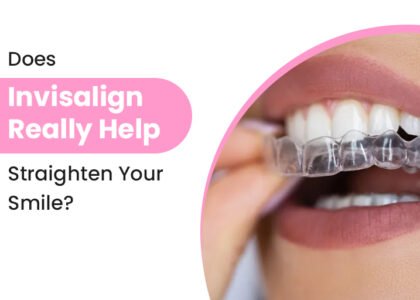
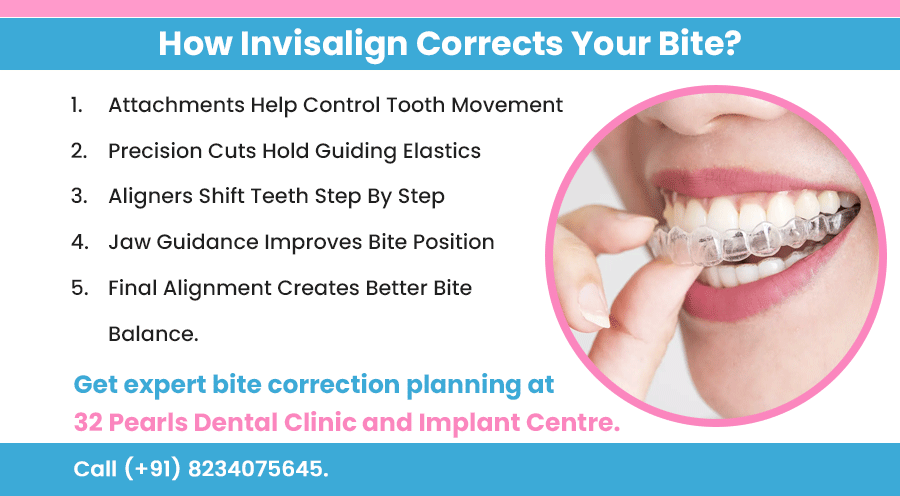
Invisalign can improve an overbite by slowly bringing the upper and lower teeth into a better position. It uses custom clear aligners that apply steady pressure over time, and in many cases attachments and elastics help guide the movement more accurately. It usually works best for mild to moderate overbites where tooth movement can improve the bite without more complex treatment.
How Does Invisalign Help Correct an Underbite?
Invisalign can help correct some underbites by moving the lower teeth back and the upper teeth forward in a planned way. The aligners use gentle constant pressure, and elastics may be added to improve control where needed. This approach is usually more effective for dental underbites than severe skeletal cases where the jaw position is the main issue.
How Does Invisalign Help Correct a Crossbite?
Invisalign can correct many crossbite cases by moving the teeth little by little until the upper and lower arches meet more evenly. The aligners use controlled force to guide tooth movement, and some cases may also need attachments or rubber bands for better precision. It tends to work well in mild to moderate cases where careful monitoring can keep the bite stable as treatment progresses.
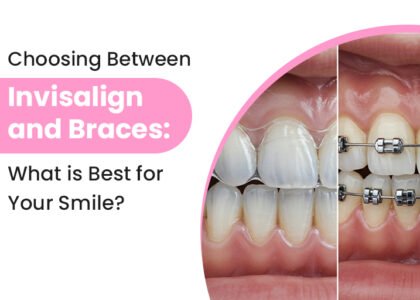
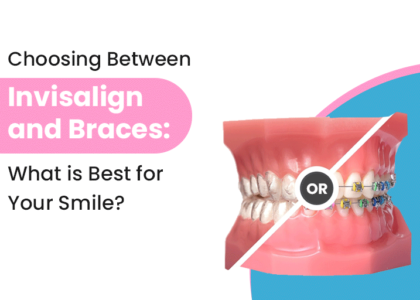
Invisalign, Braces or Orthodontic Surgery: Which Treatment Is Right for Your Bite Issues?
The ideal choice of treatment for bite problems depends on case complexity, lifestyle, and skeletal structure. At 32 Pearls, our MDS specialist uses Shining 3D scans to provide a precise diagnosis for patients seeking Invisalign in Raipur, ensuring you don’t just choose the most popular option, but the most effective one.
- Invisalign: Best for mild-to-moderate bite correction. It requires high compliance (20–22 hours/day) and typically lasts 12–18 months.
- Traditional Braces: Superior for complex rotations or severe teeth gaps, offering constant force over 18–24 months.
- Orthodontic Surgery: Reserved for adults with sevrevere skeletal jaw misalignments affecting chewing or breathing.
| Condition Type | Recommended Option |
|---|---|
| Mild to moderate dental bite issue | Invisalign |
| Complex bite with difficult movement | Braces |
| Severe skeletal jaw problem | Orthodontic surgery with orthodontic care |
Why Choosing the Right Invisalign Dentist in Raipur Matters for Bite Correction?
Bite correction is more than just straightening teeth. It is about making sure your bite feels natural, works properly, and stays stable in the long run. Choosing the right invisalign dentist Raipur plays a key role in getting safe and lasting results.
- Bite must be checked, not just appearance.
- Teeth, jaw, or both issues must be identified at once.
- Digital scans improve planning accuracy.
- Attachments and elastics guide movement.
- Regular follow-ups ensure stability.
With proper planning and monitoring, treatment improves both smile alignment and bite comfort for lasting results.
Book FREE Invisalign Consultation at 32 Pearls Dental Clinic and Implant Centre!
The best first step is getting a clear bite evaluation from a team that understands how tooth position, jaw function and smile design work together. At 32 Pearls Dental Clinic, our 5.0-star rated care includes a dedicated post-operative care lounge for your comfort. With Sunday hours and a central Telibandha location, we provide painless anesthesia and laser-assisted technology, ensuring your bite correction is handled by an expert team available for immediate, in-house support.
If you are searching for an invisalign in Raipur or want advice from an invisalign dentist Raipur, book a consultation with 32 Pearls Dental Clinic and Implant Centre at +91 8234075645.
FAQs
Will I need elastics with Invisalign for bite correction?
In some cases, yes. Elastics help guide jaw alignment and improve how the teeth meet.
Your dentist will decide this based on how your bite needs to move.
Can bite problems return after Invisalign treatment?
They can, if retainers are not worn properly. Teeth may slowly shift back over time.
Following your retention plan helps keep the bite stable.
Is Invisalign painful for bite correction cases?
You may feel mild pressure when starting new aligners. This means the teeth are moving as planned.
The discomfort is usually temporary and fades within a few days.
Can children or teens use Invisalign for bite issues?
Yes, in many cases they can. It depends on their dental development and ability to follow instructions.
A dentist will check if aligners are suitable at that stage.
What happens if I do not treat a bite problem early?
It can lead to more wear on teeth and jaw discomfort over time.
The issue may become harder to correct and need more complex treatment later.